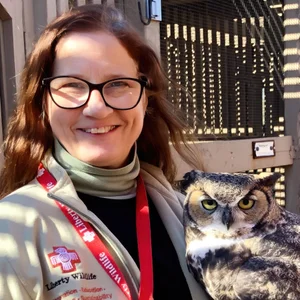
By Ceci Ellis
People assume that building a believable world means inventing everything. Most of the time it’s closer to the opposite. The worlds that feel real on the page are usually built from things I already know, things I had to go learn, and one or two things I twisted on purpose.
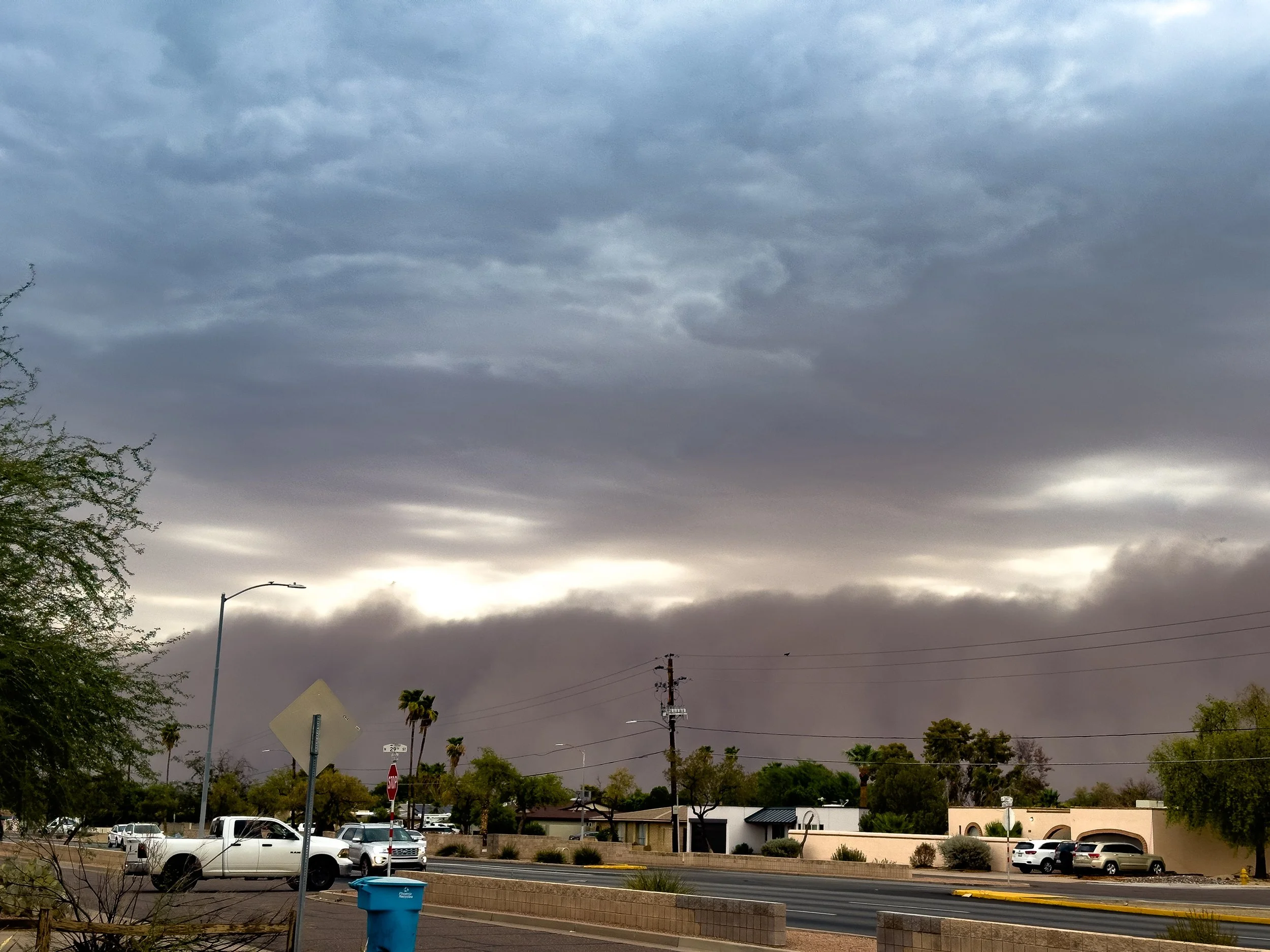
Dust storm rolling into Phoenix, Summer 2026
The easiest setting I have is Phoenix. I’ve lived here for thirty years, so I don’t have to stop and look anything up. I know what the pavement feels like in July, what people do the first time it rains, and how the city sprawls past the point of sense. That’s why A Rainy Day came together so naturally. The setting wasn’t something I had to build. It was already in my bones, so I could spend my energy on the character.
Places I haven’t lived are a different job. I was born in Pasadena and have visited California frequently, yet I still had to do real homework for Barbie and Kennie. The story runs through Southern California, and some of it reaches back to the sixties and seventies. I looked at maps and dug into what was actually there in those decades, because I didn’t trust my memory of a place I only lived in for two years as a small child, to match the facts of one. Knowing a place and knowing what it was like fifty years ago turn out to be very different things.
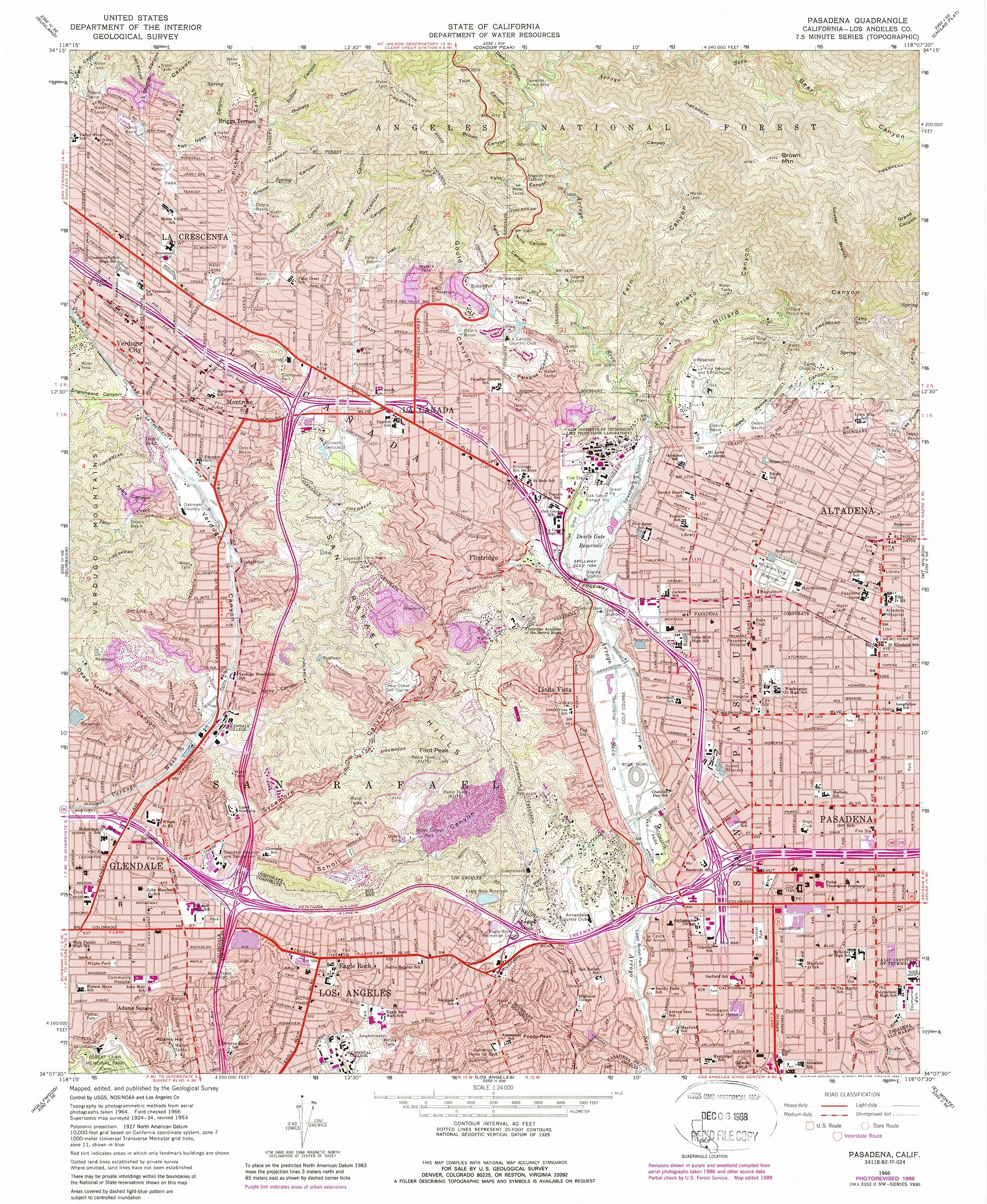
Vintage map of 1960’s Pasadena, CA. Courtesy USGS
Research doesn’t stop when you know people, either. I know military people, and I still had to dig into international protocols for Back Room Deal. Having a friend who can answer a question is a great head start, but it doesn’t replace checking. A single wrong detail can pull a reader right out of a scene, and the more realistic the story is trying to feel, the less room there is for mistakes.
That story also shows the method I lean on most. I’ll read through history, ask myself a long list of what if questions, and then apply a twist. Back Room Deal started as a reaction to a very real news announcement. I took what was publicly known and asked what might have happened out of sight. The facts gave me solid ground, and the twist gave me the story.
When I can, I also talk to people who have lived through events, because a firsthand memory carries details you won’t find in any book. How something smelled, what people said under their breath, what they were afraid to admit at the time. I take those details and fictionalize everything else, the people and the places, so the story keeps what’s true and leaves people’s real lives alone.
So the answer to where believable fictional worlds come from, depends on the world I want to write about. Sometimes it’s something I already carry with me. Sometimes it’s a stack of maps and a lot of reading. Either way, the believable parts come from getting the small things right, and the invented parts only work because the real ones are solid.
SEO Title: Where Believable Fictional Worlds Come From
SEO Description: Lived-in settings, researched ones, and real history with a twist: how I build worlds readers can believe, with examples from my published stories.
Category: Writing
Tags: Writing, Craft, Worldbuilding