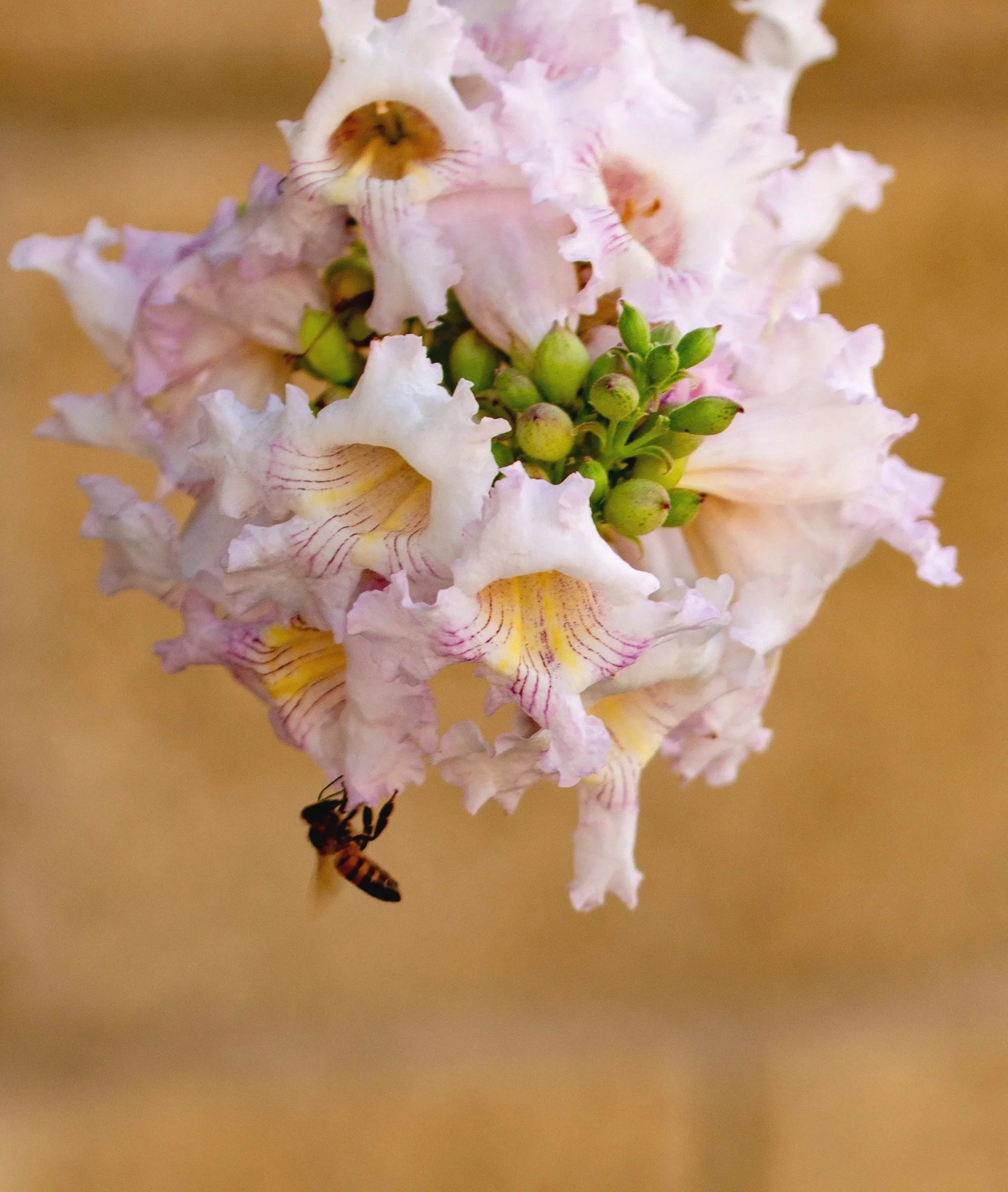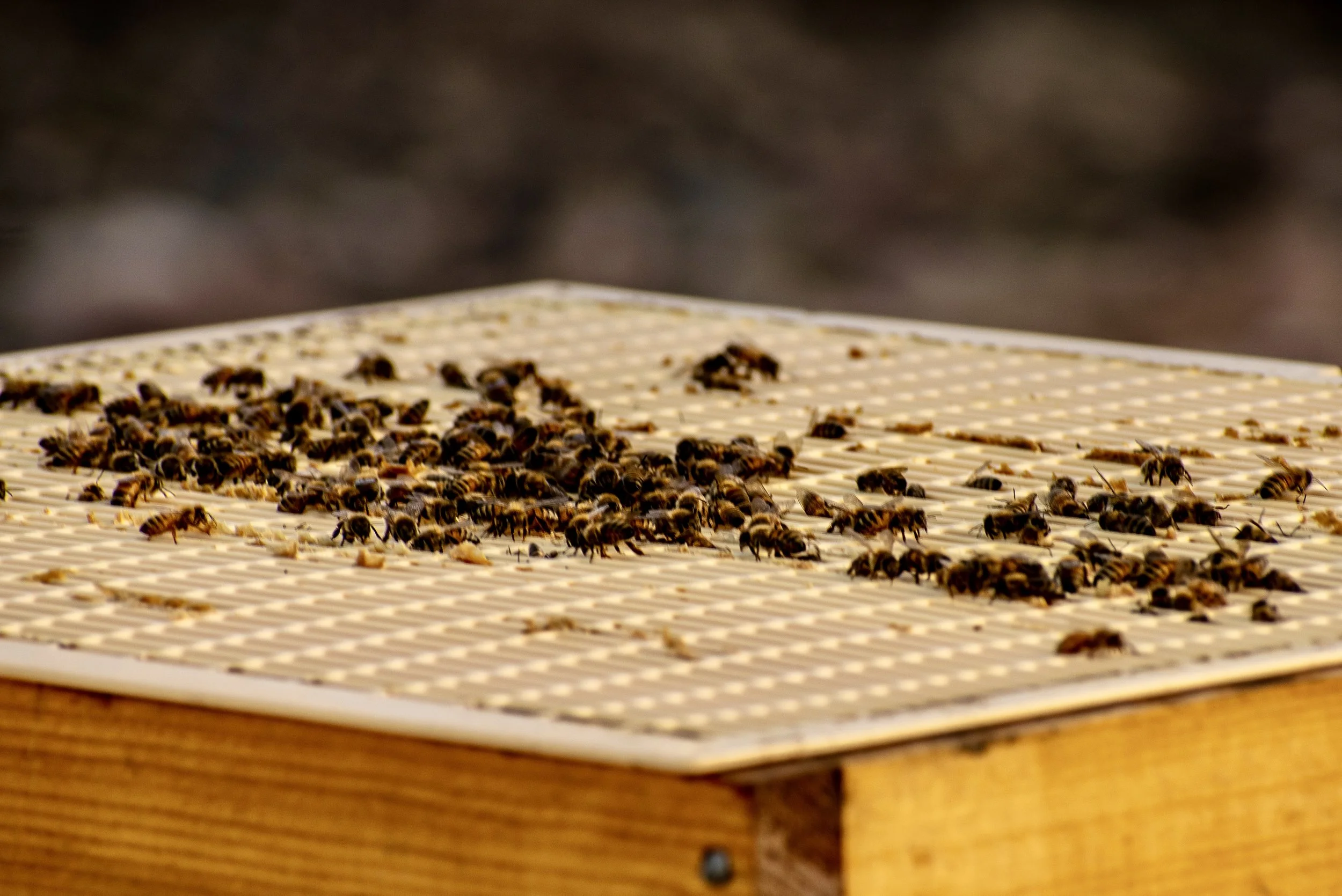
Why Bees?
The bees’ knees is an old expression meaning the pinnacle of excellence, the very best. We liked the sound of it. We liked the attitude of it. And honestly, we just really like bees.
Bees' Knees Creatives was named with a simple hope that if we ever made enough to give back, we'd support bee research and conservation. The money hasn't quite happened yet, but the hope is still very much alive.
In the meantime, consider this our love letter to bees. There are over 20,000 known bee species worldwide, living on every continent except Antarctica, and recent research suggests the true number may be closer to 26,000. They are endlessly fascinating, critically important, and frankly, under-appreciated.
An Old Expression
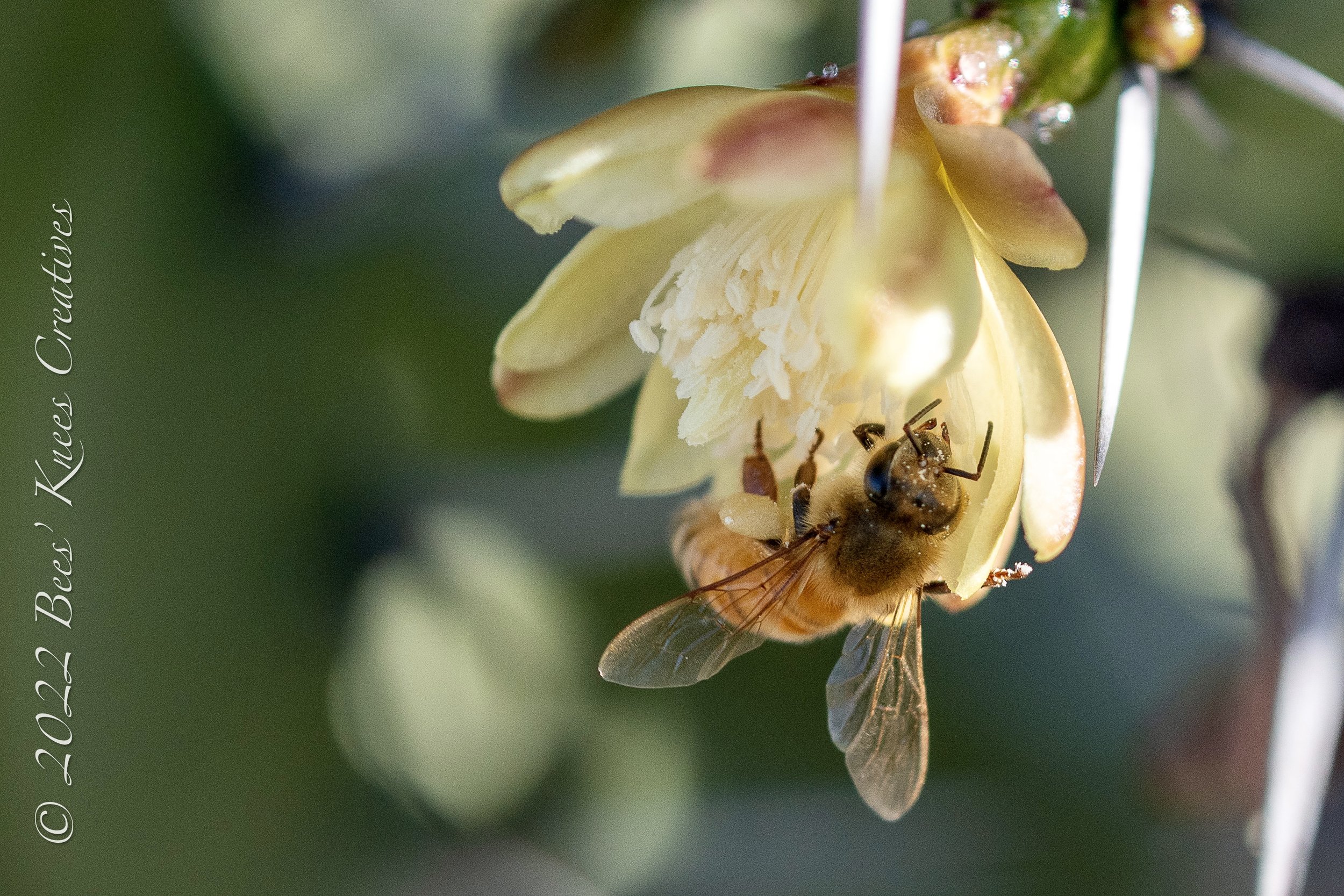
Five Fun Facts (plus 2)
Did you know Bees are the backbone of the terrestrial food chain?
They pollinate 80% of all flowering plants — including approximately 75% of the fruits, nuts, and vegetables grown in the United States. Without bees, most plant life would collapse, and without plants, everything else follows.
Did you know only the girls sting?
Only female bees have stingers, and they only use them when threatened. Most bees would rather be left alone to do their job.
Did you know not all bees live in hives?
About 70% of solitary bees are ground-nesting, forming burrows in loose soil. The honeybee hive is the exception, not the rule.
Did you know bees are not just black and yellow?
Bees come in a remarkable range of colors; green, blue, red, black, and metallic. They range in size from large carpenter bees and bumblebees to the tiny Perdita minima, which is less than two millimeters long.
Did you know there are thousands of species of bees in the US?
There are about 4,000 native bee species in the United States alone. Most of them look nothing like the honeybee you think of when someone says the word "bee." There are an estimated 26,000 species in the world.
Did you know honey bees are not native to the Americas?
Honeybees are not actually native to North America. They were imported from Europe in the 17th century. Every honeybee you've ever seen is technically an immigrant.
Did you know bee populations are in decline worldwide?
From 2006 to 2015, approximately 25% fewer species were found. Habitat loss, pesticides, and climate change are all contributing factors, which is exactly why research and conservation matter.
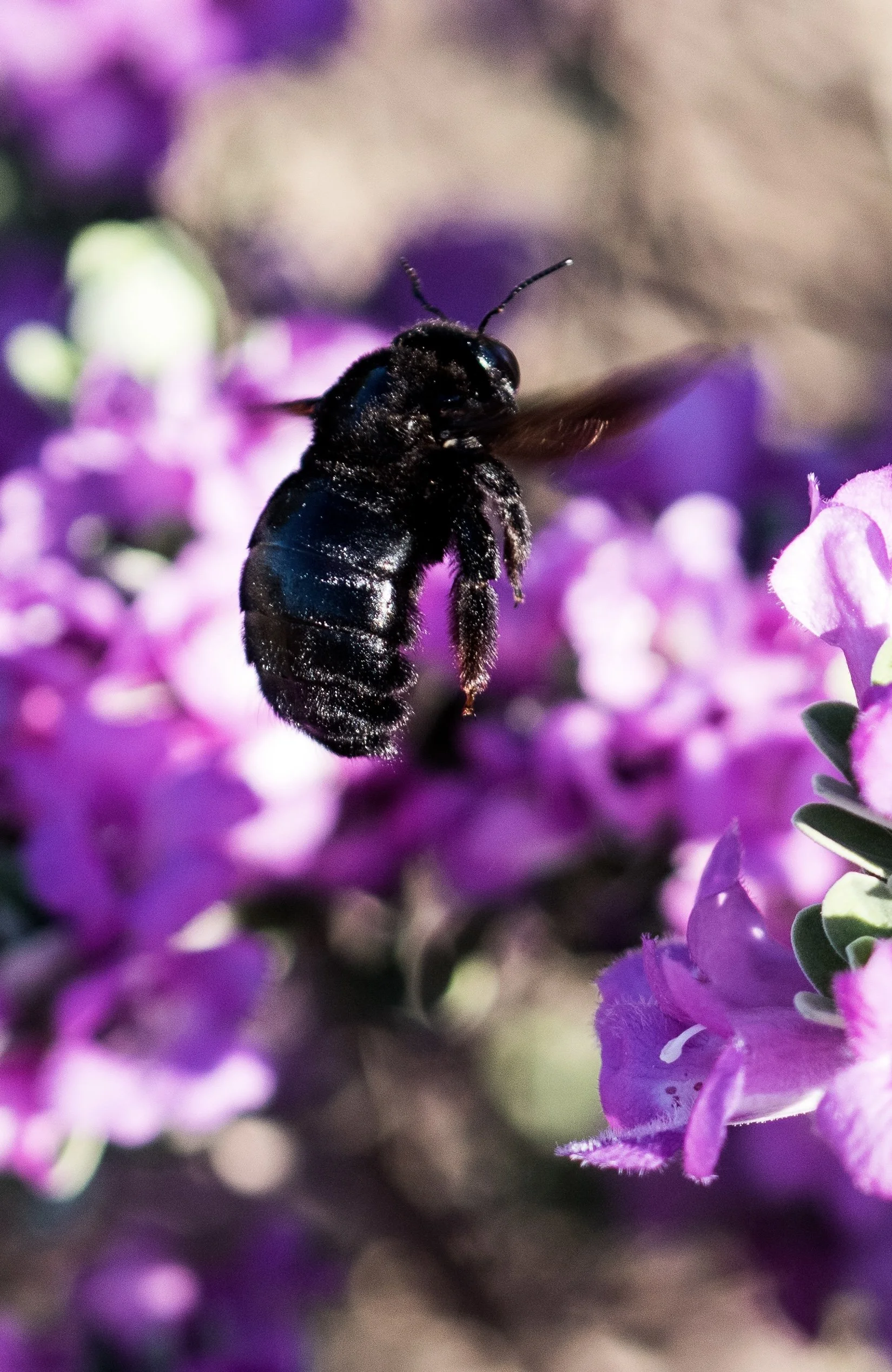
We didn't choose our name lightly. Beyond the name, bees represent something we genuinely care about, the health of the natural world and the creatures that depend on it.
Ceci volunteers with Liberty Wildlife, an Arizona-based wildlife rehabilitation and conservation education organization. While her work there focuses on raptors, owls, and other wildlife, the underlying mission is the same one bees embody: every species matters, every link in the chain counts.
If Bees' Knees Creatives ever generates enough to give back, bee research and conservation is at the top of the list. In the meantime, we photograph them obsessively and named our business after them. It seemed like the least we could do.
Bees and Bees' Knees