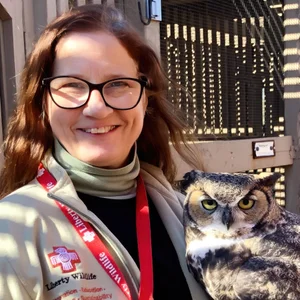
By Ceci Ellis
Halloween is the one time of year when owls, bats, snakes, spiders, ravens, and vultures get cast as the scary animals. I used to think they’d earned their reputation. Nine years of volunteering at Liberty Wildlife later, they’re some of my favorite creatures. So with Halloween right around the corner, I’m coming to the defense of animals deemed the spookiest.

Halloween Party invitation featuring great horned owls
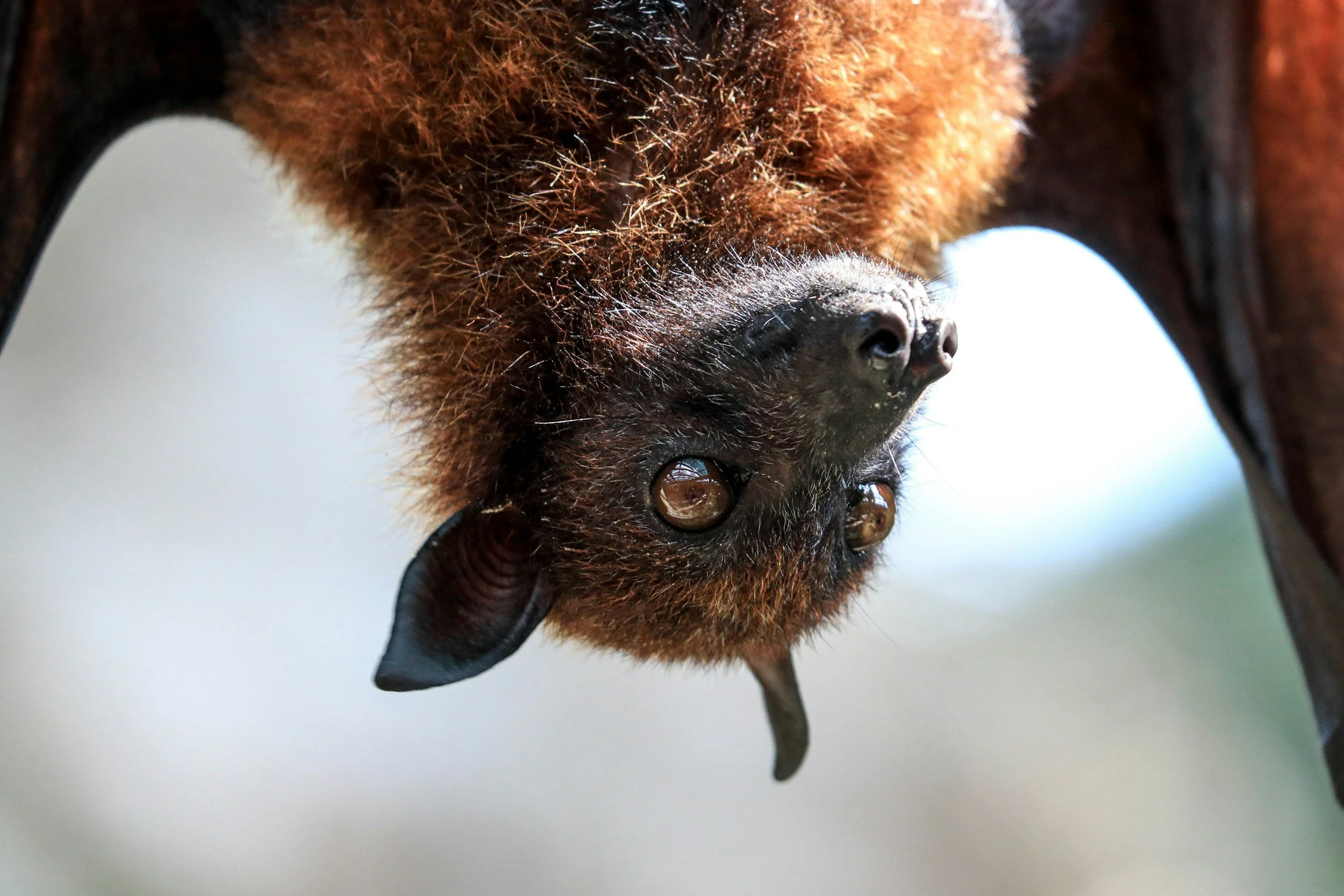
Bats first. Yes, they can carry rabies, and that part is real, so never touch one that’s on the ground, regardless of how cute they look. (I think of them as sky puppies.) But the numbers are smaller than the legend. The National Park Service says less than one percent of bats in the wild are infected [1]. Meanwhile, most Arizona bats eat thousands of flying insects every night, and the lesser long-nosed bat, which spends its summers here, pollinates saguaros and agave [2]. If you’ve ever enjoyed a margarita, you’ve enjoyed help from a bat.
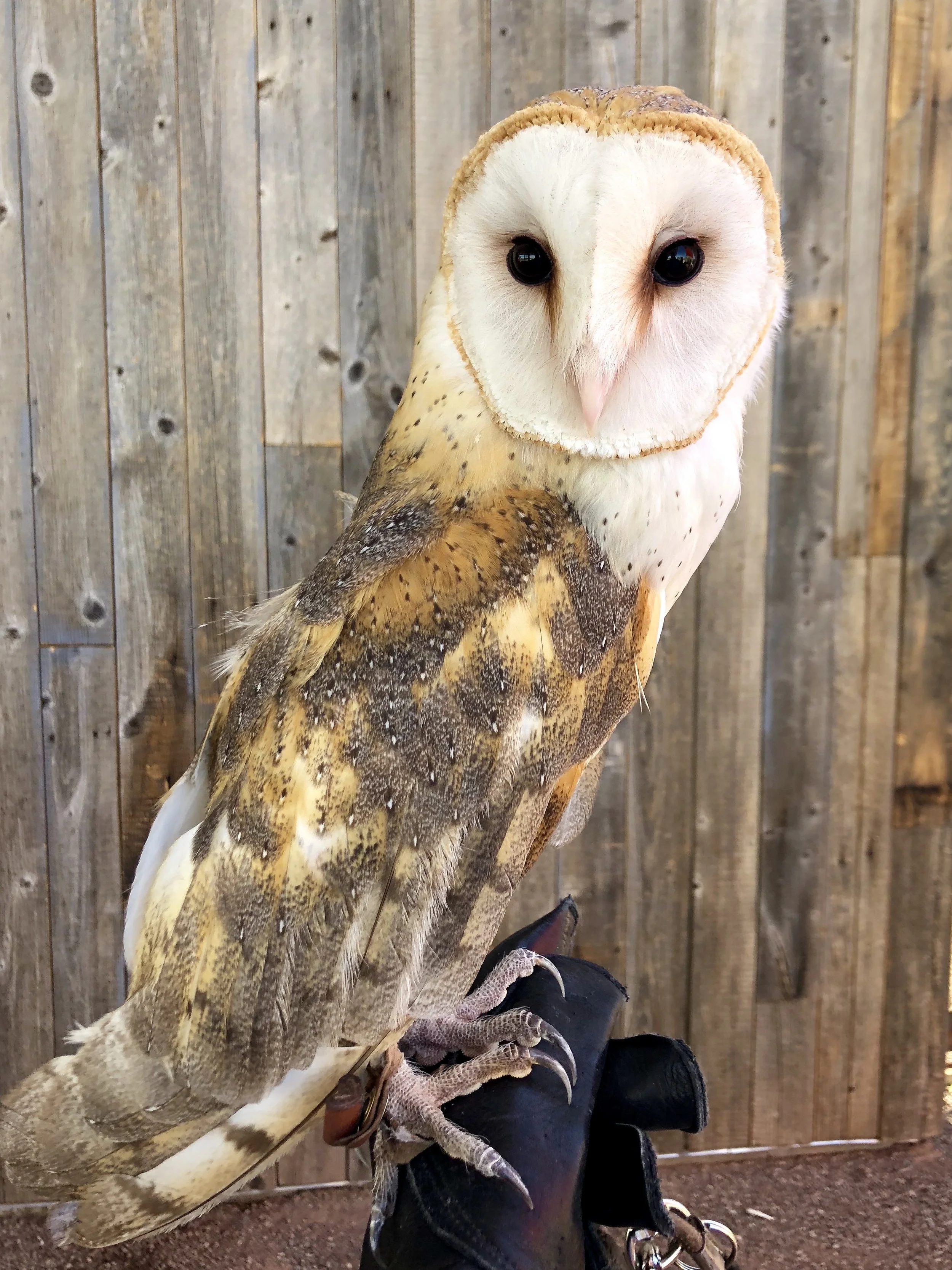
Owls are next, I think their reputation is because they are nocturnal hunters. Great horned owls, or hoot owls, hunt mostly at night, especially at dusk and before dawn, and they take care of small mammals up to and including skunks [3]. Birds generally have a poor sense of smell, which is the reason owls can eat skunks and not give a hoot. Barn owls are the ones with the terrifying scream. It’s so unsettling that some people believe it’s the source of the banshee legend, the wailing spirit in Irish folklore who warns of an approaching death [4]. It’s a theory, not a proven fact, but if you’ve ever heard a barn owl scream in the dark, you’ll believe in banshees too. With their silent flight, they are quietly useful, California vineyards now put up nest boxes for barn owls, and a recent Napa Valley study found that vineyards with more owls had 38 to 52 percent fewer rodents [5]. Most of the growers in that study stopped using rodent poison after they put the boxes up, though the researchers say they can’t prove the owls were the reason. Either way, it’s pest control without poison near our food.
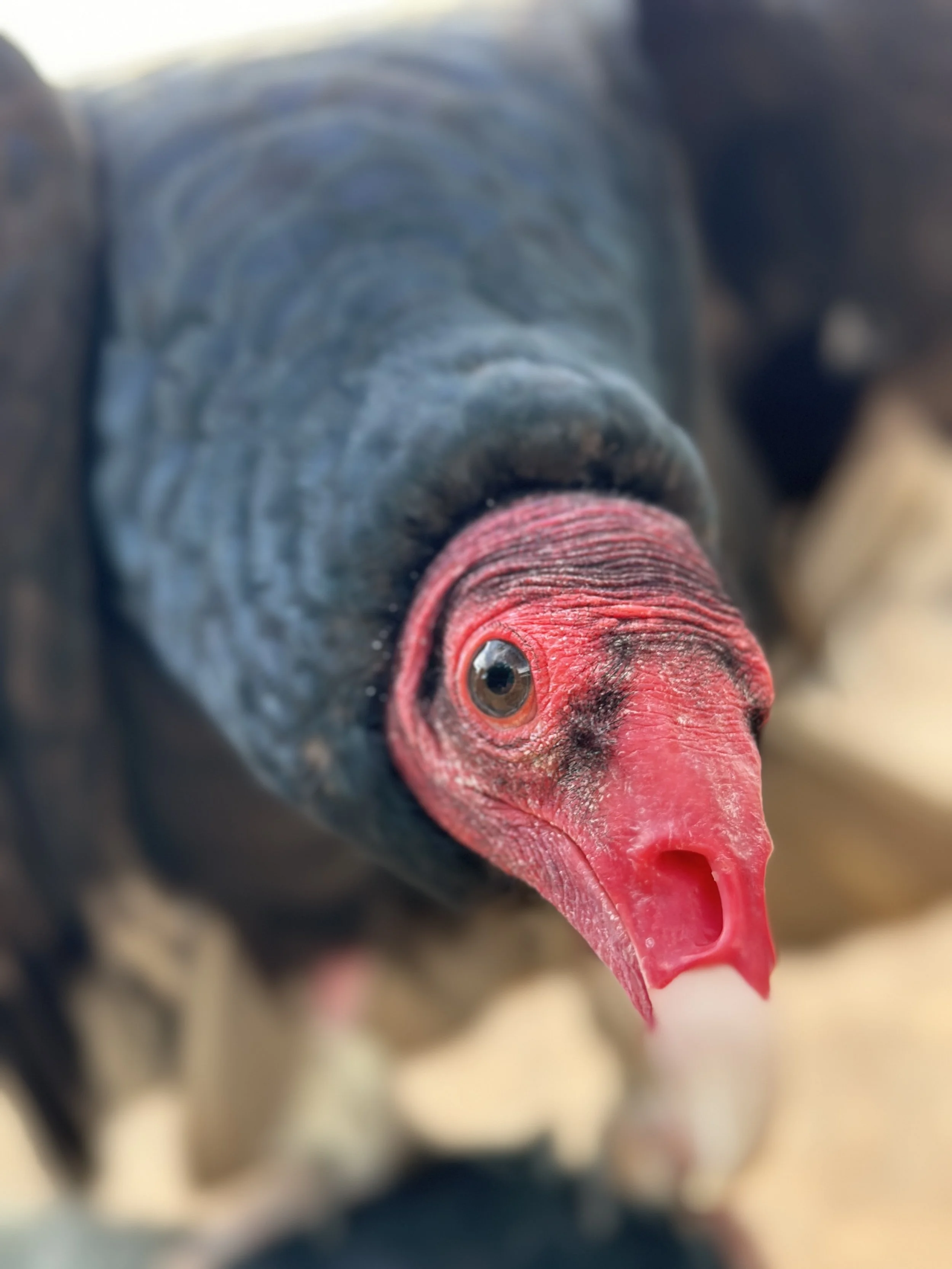
Vultures get the creepiest billing of all, and I will defend them to the death. Their stomach acid is strong enough to destroy bacteria like anthrax and botulism that would be deadly to most animals [6]. That means they quietly clean up carcasses that might otherwise spread disease. Turkey vultures are also one of the few birds with a strong sense of smell, which they use to find food [7], and they’re smarter than they look. In one study, captive turkey vultures figured out how to pull up a string to reach a piece of meat [8]. They aren’t gross. They’re a sanitation crew with excellent engineering and a very good nose.
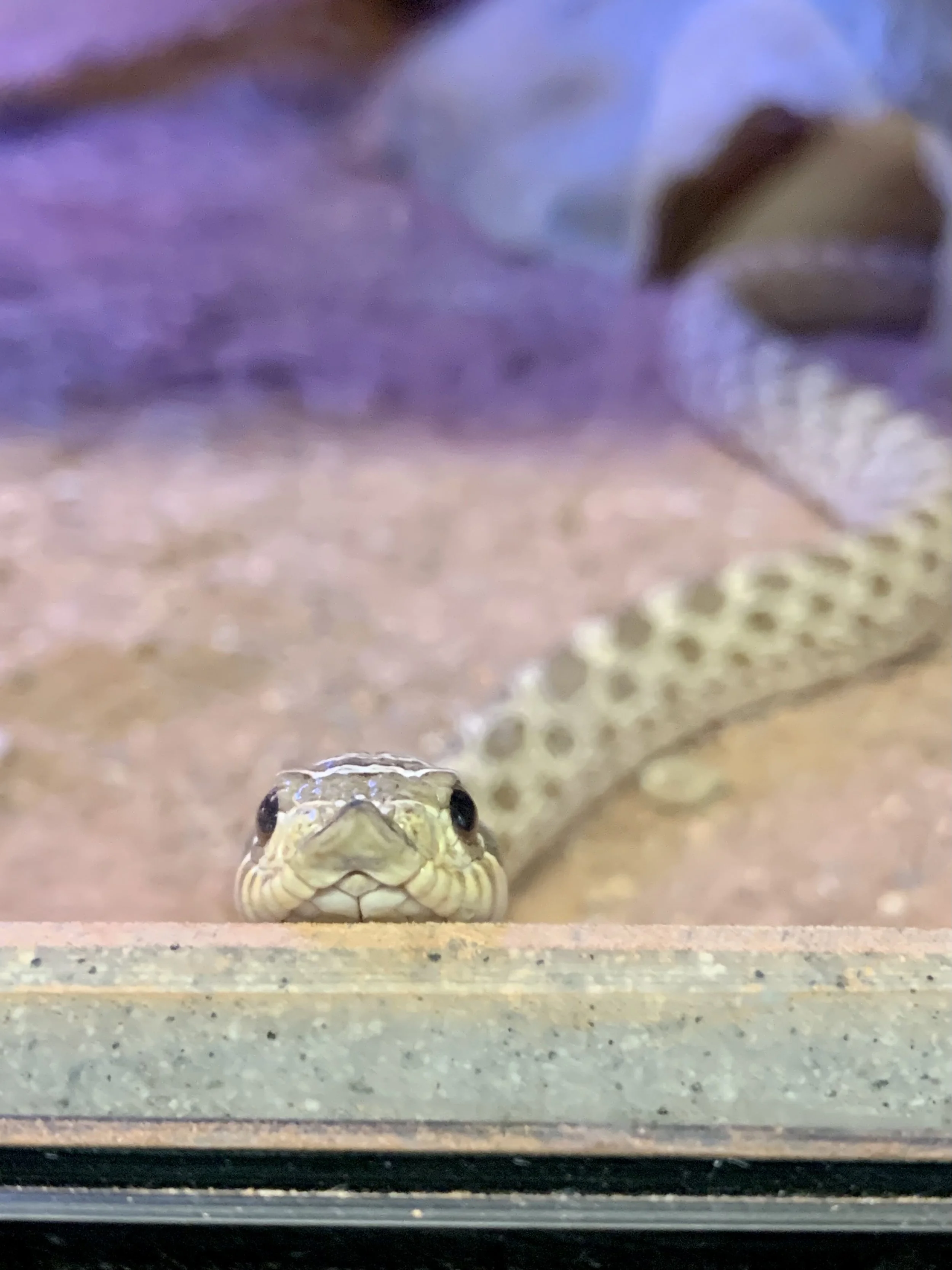
Snakes mostly want to be left alone to do their job, which is eating rodents. Some even eat other snakes. Kingsnakes, which are largely immune to rattlesnake venom, will take on a rattlesnake and win [9]. Harley, my gateway snake, broke the slimy, slithering stereotype just by being cute and calm. And what he taught me is that snakes have personalities. Liberty now has a new hognose, who was a little spicy at first but is now charming since she has settled in.
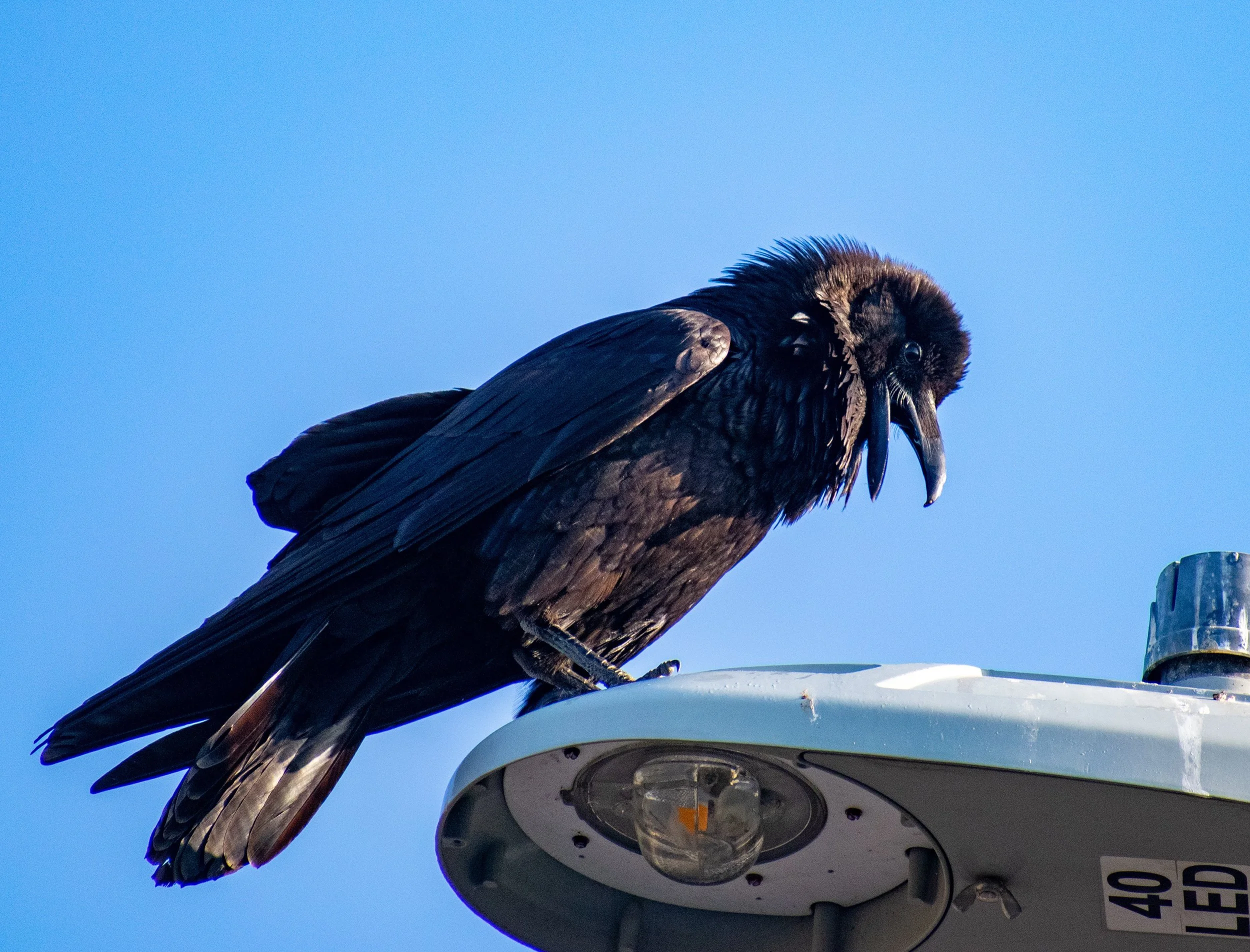
Ravens have been considered omens of death for centuries, in Norse, Celtic, and Scottish stories alike. The likely reason is simple. Ravens gathered wherever there was carrion, and battlefields had plenty. People saw them show up around death and decided they brought the death. In reality, corvids are brilliant. They lead wolves to the prey, then share the kill, they solve puzzles, like working out how to use a stick to push a tidbit out of a clear tube [10], and in captivity they can mimic human speech, much like parrots. An omen of death, or just a very smart bird who knows where the food is?
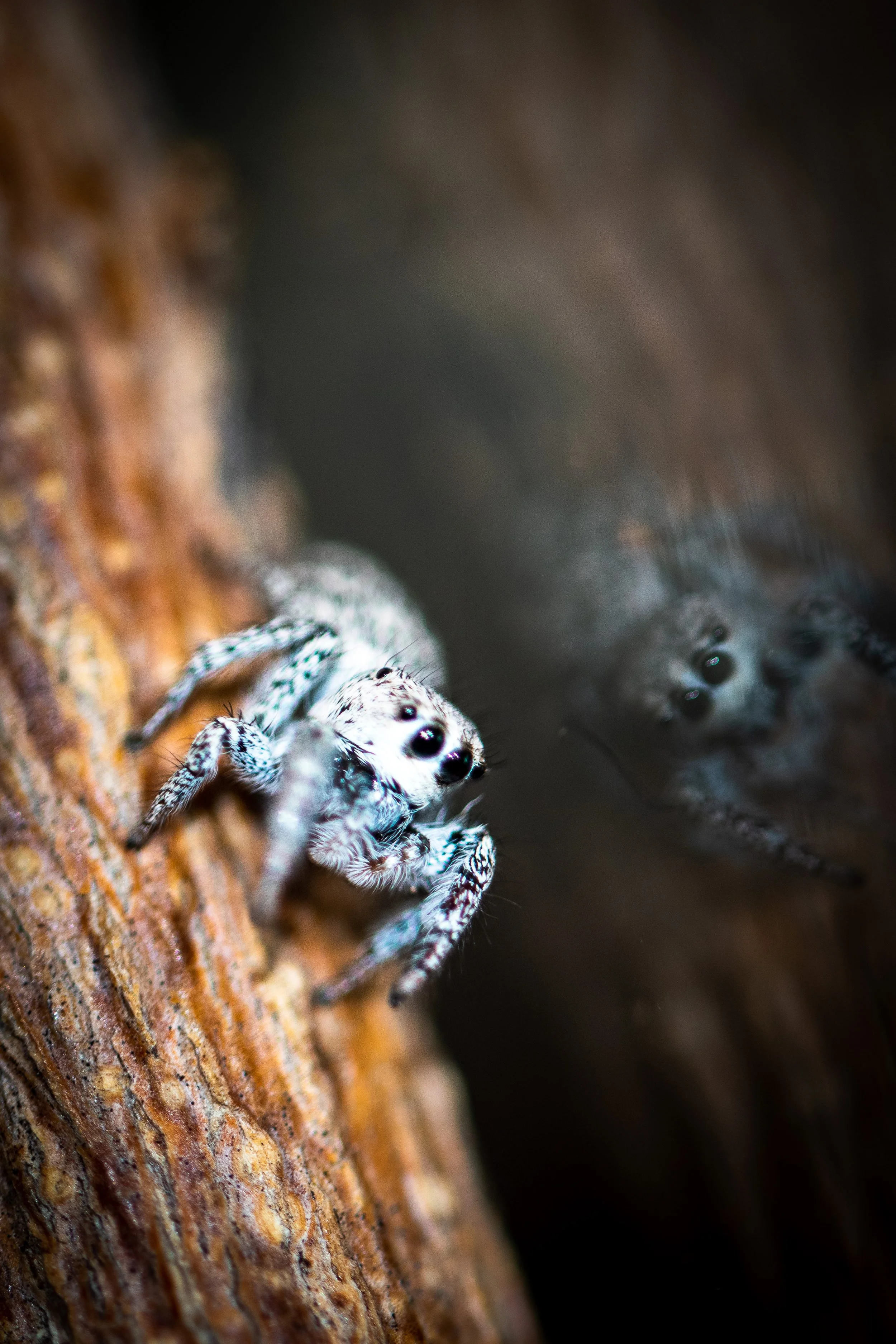
And spiders, I was afraid of them until I met jumping spiders, which are, and I say this sincerely, totes adorbs! They have excellent vision, and researchers have watched some plan detours to reach their prey [11]. Even the spiders with a scary name mostly want to be left alone. A black widow bite is a defense, not an attack, and she’d rather flee than fight. The poison center data covers more than fifteen thousand black widow exposures with no deaths [12]. Venom is expensive for a spider to make, and she’d rather save it for dinner.
Halloween is when we like to scare ourselves, but a lot of that fear is mostly a story we’re told, and these animals have played the villain role in our imaginations for centuries. In reality, most of them are doing important work in the dark while we sleep. Respect still matters, of course. Wild animals deserve their distance, and if you find an injured animal of any kind, call a wildlife organization instead of trying to handle it your self.
So this Halloween, when the owls call and the bats take flight, remember that they’re on our side. Happy Halloween from someone who used to be afraid of every single one of them!
Sources
Cornell Lab of Ornithology, “Great Horned Owl Life History,” All About Birds
Phys.org, “In wine country, barn owls offer eco-friendly alternative for rodent control”
San Diego Zoo Wildlife Alliance, “8 Wow-some Wonders About Vultures”
Testing problem solving in turkey vultures using the string-pulling test (PubMed)
Testing Problem Solving in Ravens: String-Pulling to Reach Food
National Geographic, “Jumping Spiders Can Think Ahead, Plan Detours”